
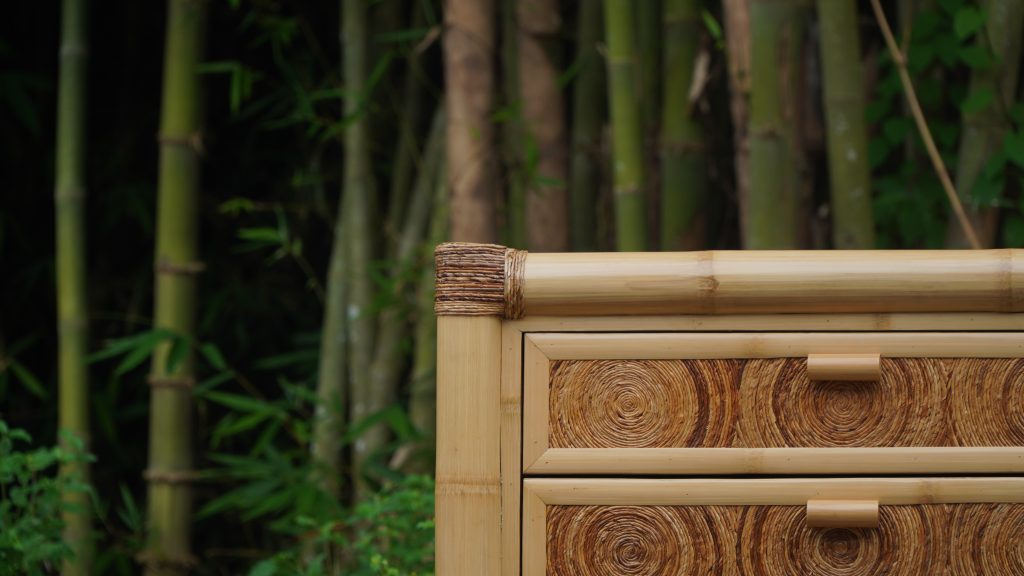
Hi! My name is Sarah Kairanisa and I’m a senior at Penn State University studying Business Entrepreneurship. Like many students near graduation, I’ve been on the hunt for an internship that actually means something. Not just another checkbox on my resume, but an experience that feels aligned with who I am and what I care about.
For weeks (honestly, months), I spent my time scrolling through job boards and career sites, endlessly. Yet I still couldn’t find anything that felt quite right. Until one night, I stumbled across a company unlike anything I’d seen so far: an Indonesian furniture manufacturer whose core material is bamboo.
Wait. Bamboo? Really? That was my first reaction.
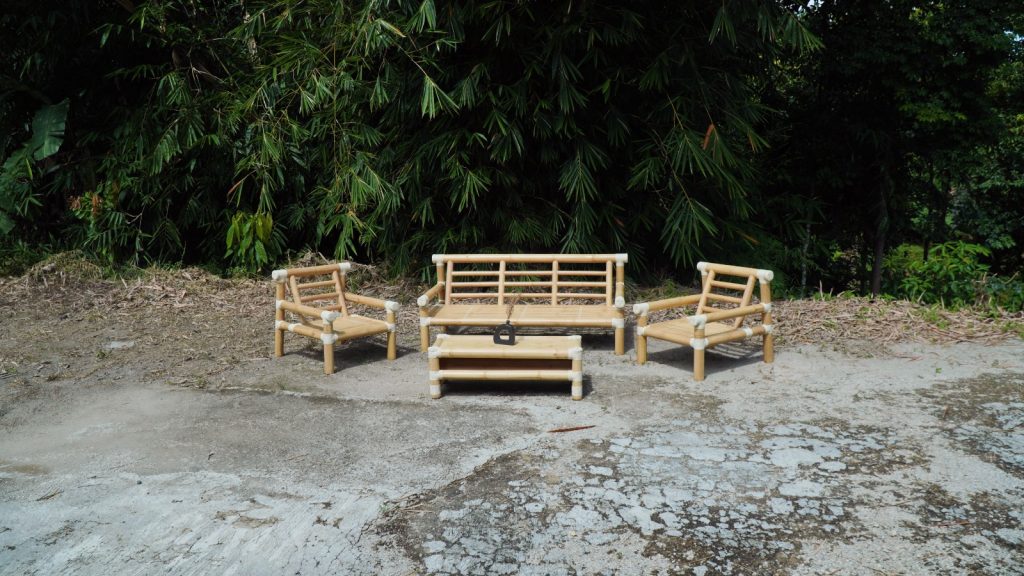
Being a college student in the United States and living in a fast-paced metropolitan setting, I hadn’t given bamboo much thought since I was a little child. But I was genuinely taken aback by what I saw: exquisite, handcrafted bamboo furniture with classic elegance that feels both timeless and modern. And it seems to be very popular in Europe? Why bamboo? Why now?
So I did what any curious student would do: a little digging.
Why Indonesian Bamboo Furniture Is So Well-liked in Europe
- Sustainability
Bamboo is one of the fastest-growing and most eco-friendly materials in the world
- Some bamboo types can grow over 1 meter per day (shout to bambu petung)
- It grows easily without chemicals or pesticides
- It can be harvested without destroying the roots, so it helps prevent soil erosion and keeps groundwater levels stable
- In eco-conscious countries like Germany, the Netherlands, and those in Scandinavia, sustainable materials like bamboo are high in demand
- Natural and Tropical Aesthetic
- Bamboo has a warm, earthy vibe that’s different from conventional wood
- European buyers love the exotic, tropical feel as it brings a sense of calm and natural beauty to their homes
- It fits well with popular interior styles like minimalist, bohemian, and Scandinavian – all of which favor clean lines and natural textures
- Lightweight yet Strong
- Indonesian bamboo has a great strength-to-weight ratio
- It’s easy to move around but still solid and long lasting, making it perfect for modern living
- Unique and Artisan-Made
- Bamboo has natural patterns that give each piece its own character
- That handcrafter, one-of-a-kind feel speaks to buyers who want something more personal and authentic – whether their taste leans modern or rustic
- A Sustainable Lifestyle Statement
- More and more Europeans care about where their furniture comes from
- Bamboo isn’t just material – it’s a message. It shows they care about the planet and support fair, ethical production
- Versatility
- Indonesian bamboo is super flexible and can be used in both traditional and contemporary designs
- It works indoors or outdoors – and designers love that versatility
Then comes my “a-ha” moment. It’s when I realized how globally relevant bamboo has become. How had I overlooked something so rooted in my own culture and environment? Back home in Indonesia, there’s even a row of bamboo plants by the river near my neighborhood. It’s so familiar, yet I never looked at it through this lens. At that point, I knew I wanted to be part of this movement. I felt excited (and honestly, a little proud) to intern with a company that champions sustainability and showcases the global potential of a natural material I grew up around. But my curiosity didn’t stop there. I wondered – how big is the bamboo market, really? What do the numbers say?
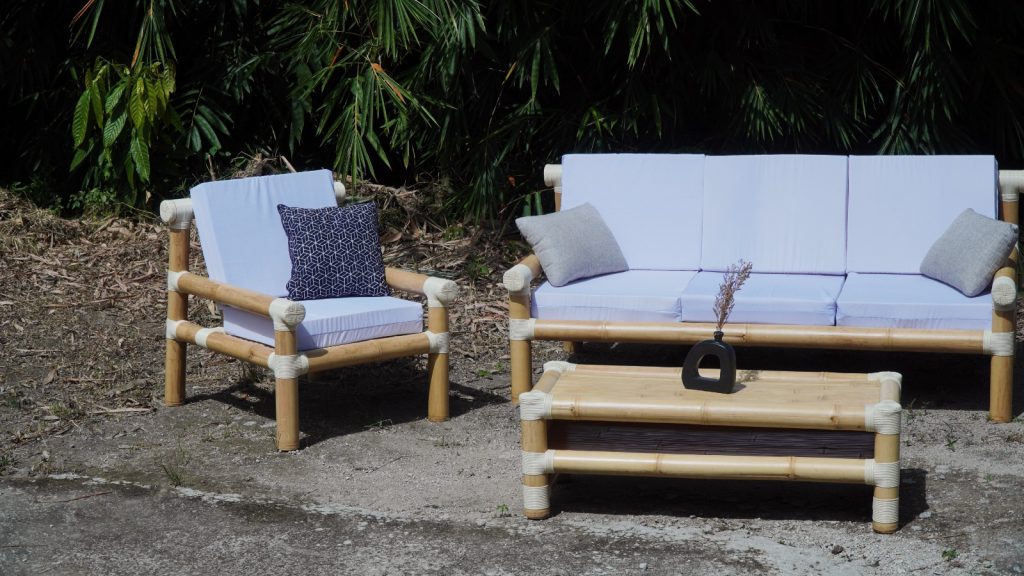
The Bamboo Furniture Market is Booming
If you’re wondering whether bamboo is just a trend – it’s not. The market is growing fast
- Projected market size in 2025: USD 3.99 billion
- Expected to reach by 2030: USD 5.47 billion
(with a CAGR of 6.48%)
- Global Share: Europe contributes approximately 25% of global bamboo furniture sales
What’s Driving the Demand?
- Eco-Awareness
- Bamboo is renewable, grows back quickly, and checks all the sustainability boxes
- Design Innovation
- Bamboo furniture is being reimagined – combined with materials like metal and glass for a modern hybrid look
- Policy Support
- The European Union’s Economy Action Plan encourages the use of sustainable materials like bamboo, making it even more attractive in the European market
- https://www.globalgrowthinsights.com/market-reports/bamboo-furniture-market-104160
Market Breakdown:
- Residential Furniture:
- Accounts for approximately 74.3% of total market revenue (2023)
- Commercial use:
- Includes sectors such as hotels, cafes, and offices, growing at 7.1% CAGR
- https://www.grandviewresearch.com/industry-analysis/bamboo-furniture-market
- Distribution Channels:
- Offline retail continues to dominate, holding the largest market share
- https://www.globenewswire.com/news-release/2023/04/30/2657999/0/en/Global-Bamboo-Furniture-Market-Size-Is-Predicted-to-Attain-20-261-Billion-by-2030-Boosting-at-a-Compound-Annual-Growth-Rate-CAGR-of-6-65.html?
All of this made me even more excited to be part of the team at Shaniqua Bamboo. I’m hoping to contribute some of what I’ve learned at university, but more importantly, I’m eager to gain real-world experience in a setting that blends tradition, sustainability, and global business.
This internship already feels like the start of something meaningful – and I can’t wait to share more about it as I go.
Let’s see where this journey takes me.
Bismillah.
Written by
Sarah Kairanisa
Business Development of Shaniqua Bamboo


